
The Best Wood Cutting Board: A Data-Driven Expert’s Guide to Materials, Safety and Long-Term Value
Narrowing the search for the best wood cutting board requires more than reading product descriptions—it demands an understanding of wood science, food safety data and long-term ownership economics. As a product design and materials specialist who has evaluated over 200 cutting surfaces across varied wood species and construction methods, I have observed that price alone is a poor predictor of performance. The best wood chopping board for your kitchen balances Janka hardness, grain orientation, microbial resistance, maintenance requirements and sustainability credentials—factors rarely considered in typical buying guides.
Janka Hardness: The Science of Surface Resilience
The Janka hardness test measures the pounds-force (lbf) required to embed a steel ball halfway into a wood sample—the industry standard for predicting dent resistance and wear. Maple, often called the workhorse of the acacia cutting board category, registers approximately 1,450 lbf, offering a proven balance of durability and edge-friendliness. Walnut, at 1,010 lbf, is more forgiving on knife edges but shows cut marks more readily. Cherry, at 995 lbf, sits at the softer end of food-safe hardwoods. Woods significantly above 1,500 lbf—purpleheart (2,520 lbf) or ipe (3,500+ lbf)—resist scarring exceptionally well but accelerate knife dulling. Any wood below 900 lbf is unsuitable, showing unacceptable wear within months rather than years.
Industry data confirms that the optimal range for the acacia wood cutting board lies between 900 and 1,500 lbf. Within this band, hard maple (1,450 lbf) and black walnut (1,010 lbf) emerge as scientifically validated front-runners.
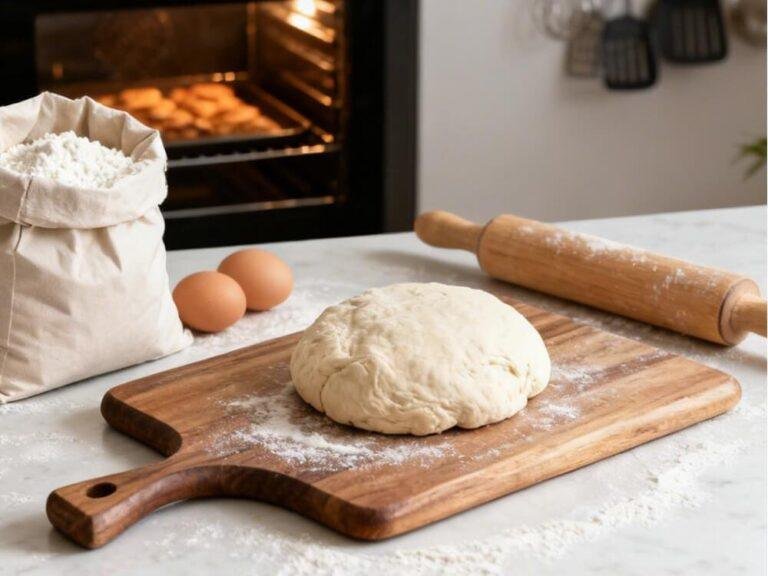
End Grain vs Edge Grain: The Construction Decision
The solid wood cutting board for knife longevity is unequivocally end-grain construction. When a blade contacts vertically oriented wood fibers, the material behaves like a bundle of drinking straws: fibers part around the edge rather than being severed, creating a self-healing surface where cut marks close over time. This design dramatically extends blade sharpness. End-grain boards also resist deep scarring, maintaining a smoother, more hygienic surface. The primary trade-off is cost—end-grain requires more labor and more material—and weight, as these boards are thicker and heavier than edge-grain alternatives.
Edge-grain construction, where wood fibers run horizontally, remains a perfectly acceptable choice for home cooks who prioritize affordability over maximum edge retention. These boards are stiffer, more moisture-resistant out of the box, and significantly less expensive. However, edge-grain boards show knife marks more quickly and are slightly harder on blades.
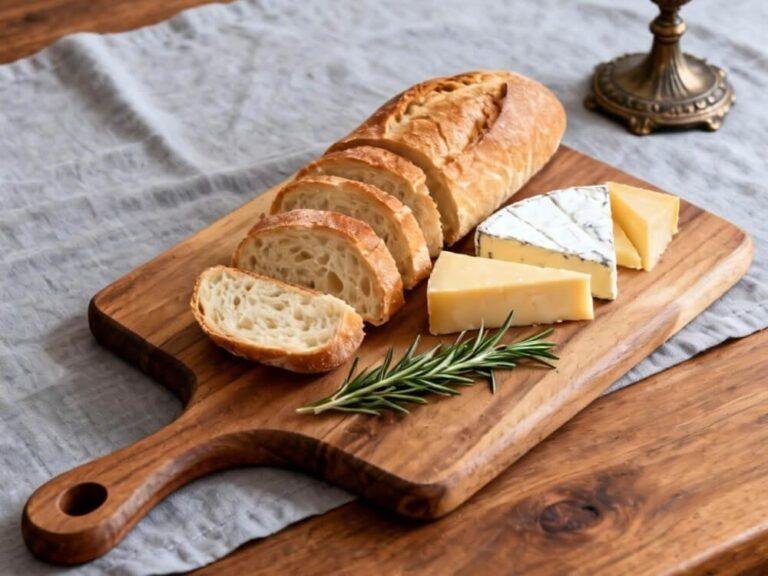
Antimicrobial Performance by Species
Recent peer‑reviewed research has reshaped our understanding of wood as a food‑preparation surface. A 2025 study published in the Journal of Food Protection found that sugar maple cutting boards exhibited a significant reduction in E. coli detection rates to the detection limit of 1.7 log10 cfu/cm² after just two hours—even without cleaning. High-density polyethylene boards, in contrast, showed overall higher detection rates under identical conditions. The study concluded that a re‑evaluation of wood’s hygiene status in the food sector is required, directly contradicting long‑held concerns about wood’s porosity.
Additional research has demonstrated that bamboo, among wood cutting boards, shows the highest antimicrobial activity against five major foodborne bacteria, including E. coli O157:H7 and Salmonella Typhimurium. While bamboo’s antimicrobial properties are exceptional, its high silica content (Janka ~1,380 lbf) makes it harder on blades than maple or walnut—a trade-off worth noting.
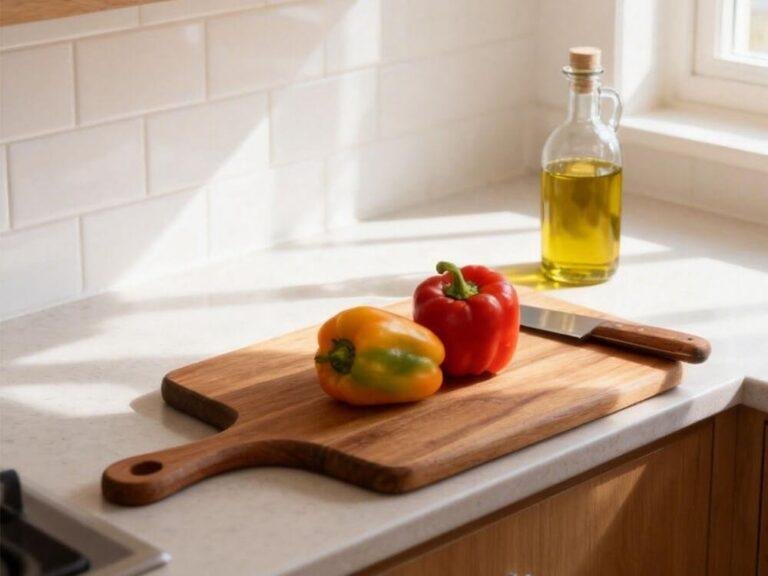
Long-Term Cost of Ownership
To ensure maximum longevity, inspect any wooden cutting board before purchase for three critical quality markers: First, verify the board uses solid acacia hardwood, not composite or veneer. Second, check for tight, consistent grain with no visible gaps—small knots are acceptable, but large or loose knots create structural weak points. Third, confirm a food-safe, oil-based finish such as mineral oil or beeswax.
Maintenance is straightforward but non-negotiable. Hand-wash only with warm, soapy water and A $30 bamboo board replaced every two years costs more over a decade than a $120 end-grain maple board maintained properly. Oil restores boards fully for $15–25, compared to $75–150 for a new quality board. Restoring instead of replacing also saves up to 15 lb of hardwood waste per board. For daily users, premium hardwood boards last 10–15 years under standard care—making them more economical than any disposable alternative. The best wood cutting board is not the cheapest upfront but the one with the lowest total cost of ownership across its useful life.
Maintenance Demystified
Most failures come from neglect, not use. Oil your board once a month under regular use, more often when new or if the wood looks dry and pale. Food-grade mineral oil is the standard choice—inexpensive, odorless and effective. Never use olive or vegetable oil, which become rancid inside the wood, imparting unpleasant odors to food. According to America’s Test Kitchen, oiling six or seven times a year is sufficient for many boards, with teak requiring less frequent treatment due to its naturally high oil content. Always hand-wash with warm soapy water, dry immediately and store upright. Dishwashers destroy wood within cycles.
The Microplastic Consideration
Every cut into a plastic board sheds microscopic plastic particles into your food. In 2026, this concern has moved from niche environmental worry to mainstream kitchen consideration. Wood boards shed microplastics—they shed no plastics at all. For buyers prioritizing food purity alongside durability, this factor alone elevates wood above synthetic alternatives regardless of price.
FSC Certification and Toxic Finishes
FSC certification confirms wood originates from forests managed to the highest environmental and social standards—recognized globally as a benchmark for responsible forestry. Zero-waste production and chain-of-custody certification provide traceability from forest to finished product, reducing sourcing risk and greenwashing exposure. Equally important: the best wood cutting board uses food-safe adhesives. Titebond III Ultimate Wood Glue is FDA-approved for indirect food contact and remains non-toxic once cured. Avoid boards with polyurethane, varnish or any film-forming finish, which crack and flake into food.
Selection Protocol for Buyers
Inspect any candidate board for three critical markers. First, verify solid hardwood, not composite or veneer. Second, check for tight, consistent grain without glue-line gaps. Third, confirm an oil-based, food-safe finish. For most home cooks, hard maple or black walnut in end-grain construction represents the optimal intersection of knife-friendliness, hygiene and longevity. Edge-grain maple serves as an excellent value alternative for lighter use.
With consistent care, the best wood cutting board delivers over a decade of reliable service—developing a rich patina that enhances both function and form. For the discerning cook who refuses to compromise on food safety, knife longevity or sustainable craftsmanship, solid hardwood remains the unparalleled choice.
Pro Kitchen Utensil Series
Visit More Kitchenware Items

Food Warming Pad
M.O.Q. 200 pcs
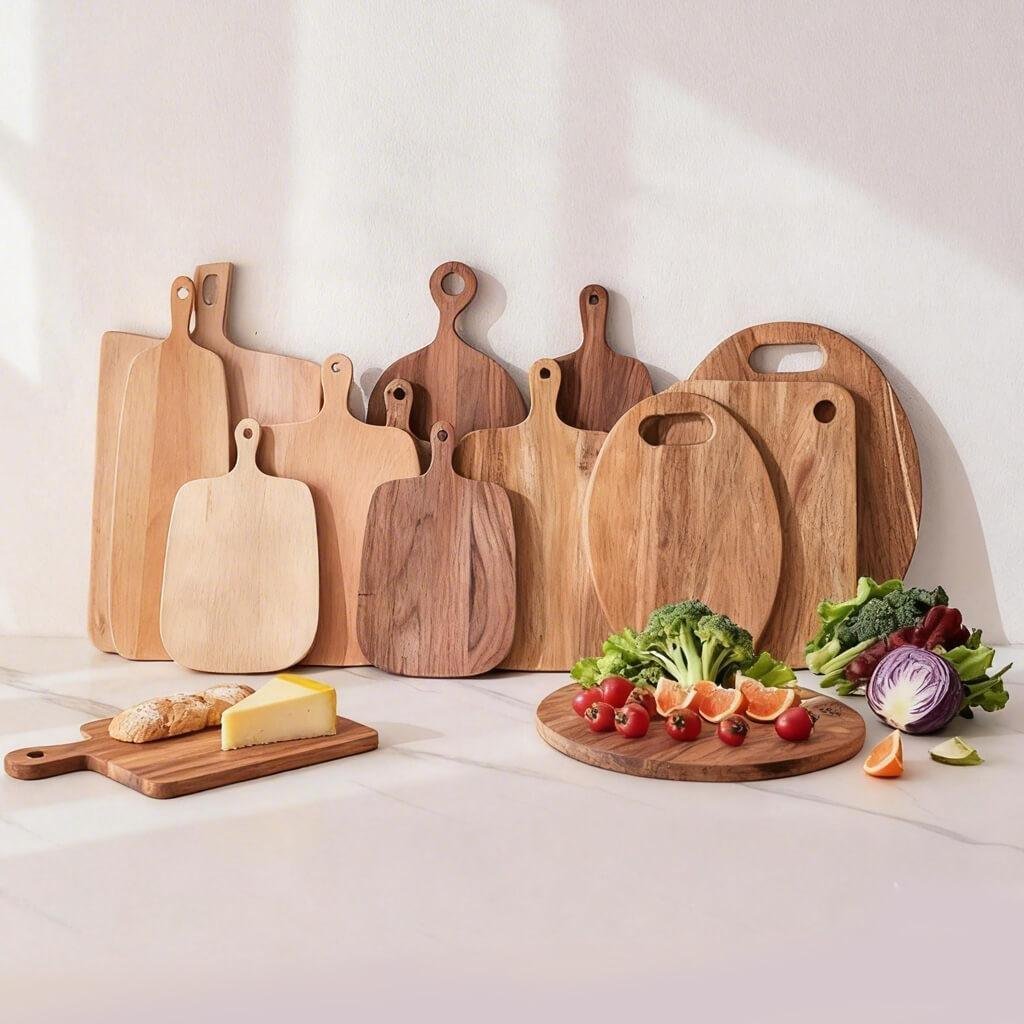
Cutting Boards
M.O.Q. 200 pcs
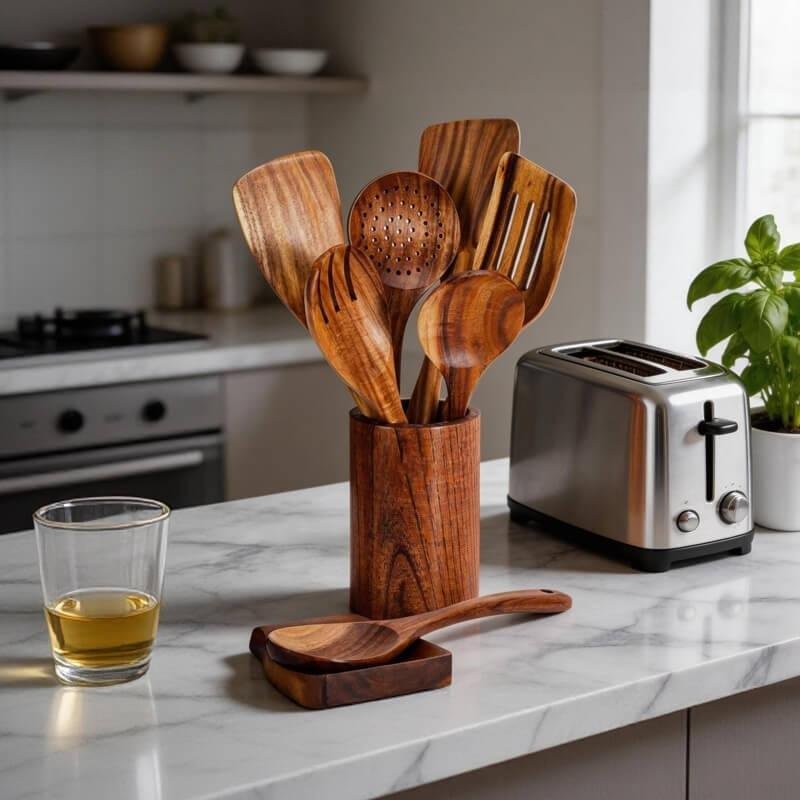
Wooden Utensil Set
M.O.Q. 200 pcs
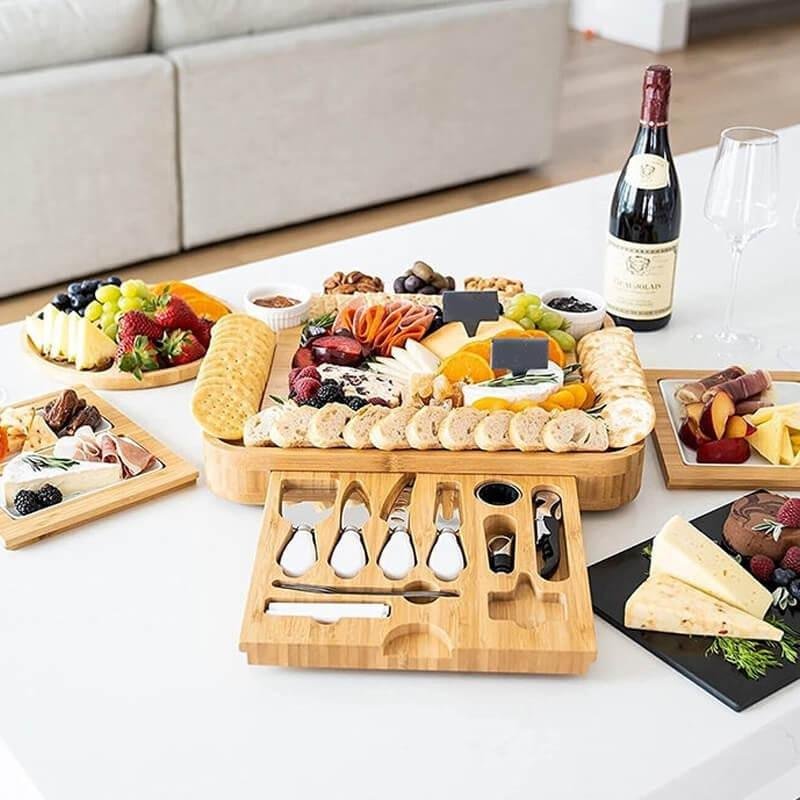
Cheese Boards
M.O.Q. 200 pcs
Online Inquiry
Get in Touch
Use the inquiry form or Email to our technical sales team for help or advice about products, services, or any miscellaneous issue.
We appreciate your thoughts, comments, and user habits. Anything that makes it possible for us to improve our service to you!
Quick Pricing Inquiry :
Email:sales@lightsalmon-pelican-184815.hostingersite.com
Feel free to contact us with any questions or concerns.