
Solid Wood Cutting Board: The Scientific Case for Nature’s Most Intelligent Cutting Surface
When evaluating kitchen tools through the lens of materials engineering and food safety science, the solid wood cutting board consistently outperforms its synthetic and composite counterparts across nearly every meaningful metric. As a product design specialist who has analyzed over 200 cutting surfaces over a decade, I can state with confidence that solid hardwood—selected, constructed, and maintained properly—represents the most intelligent investment a home cook can make.
The Microscopic Architecture That Matters
The superiority of a acacia cutting board begins at the cellular level. Hardwoods like maple, walnut, and cherry possess a closed‑grain structure with microscopic pores that actively contribute to food safety. When a knife blade passes through the wood’s surface, the fibers temporarily separate and then close back around the residual food matter, trapping bacteria beneath the surface where they progressively dehydrate and die. This “self‑cleaning” mechanism, documented in peer‑reviewed food science literature, means that a properly maintained solid wood cutting board can be significantly more sanitary than a heavily scored plastic board—even before washing.
The Janka hardness scale provides essential context for comparing wood species. Hard maple registers approximately 1,450 lbf, walnut around 1,010 lbf, and cherry near 950 lbf. Importantly, the ideal acacia wood cutting board balances hardness with a phenomenon known as “edge forgiveness.” Unlike glass or stone surfaces—which destroy knife edges rapidly—solid hardwoods absorb impact energy through their fibrous matrix. Research indicates that knives used primarily on high‑quality wood retain their edge up to 50 percent longer than those used on plastic or composite surfaces.
Grain Orientation: The Critical Distinction
Not all solid wood cutting board construction methods yield identical performance. Edge‑grain boards, where the wood fibers run parallel to the cutting surface, represent the most common and affordable configuration. They are durable, stable, and perfectly adequate for daily food preparation. However, end‑grain boards—constructed by arranging short wood segments vertically so the fibers stand upright like a bundle of drinking straws—offer superior knife‑friendliness. When a blade contacts an end‑grain surface, the fibers part cleanly around the edge rather than being severed, dramatically reducing blade wear while creating a surface that self‑heals from cutting marks. End‑grain construction is more labour‑intensive and commands a higher price, but for serious cooks, the difference in performance is immediately perceptible.
Material Comparisons: What the Data Actually Shows
When placed against common alternatives, the solid wood cutting board reveals distinct advantages at specific price points. Bamboo, often marketed as an eco‑friendly alternative, is technically a grass and contains high silica concentrations that accelerate knife dulling significantly compared to traditional hardwoods. Plastic boards develop deep knife scars that create permanent bacterial harborage sites; research published in 2023 also identified plastic cutting boards as “a potentially significant source of microplastics in human food”. Glass and stone surfaces are categorically unsuitable for any task requiring a sharp knife, as their non‑porous, rigid surfaces destroy blade geometry within weeks of regular use.
The USDA Food Safety and Inspection Service has confirmed that nonporous acrylic, plastic, and glass boards, as well as solid wood boardswithout laminated construction, can be washed in a dishwasher—laminated boards may crack and split.This endorsement matters, though it should be noted that dishwashing dramatically shortens wood lifespan by stripping natural oils and promoting cracking.
Safety Certifications and What They Mean
For buyers seeking verified safety compliance, NSF certification represents the gold standard for commercial solid wood cutting board approval, confirming that the product meets rigorous sanitation and material quality standards for professional foodservice operations. Additionally, FSC certification ensures that wood is sourced from responsibly managed forests, an important consideration for environmentally conscious purchasers. When possible, select products that carry these certifications and verify that food‑safe, low‑VOC adhesives are used in laminated constructions.
A Practical Selection and Maintenance Protocol
To maximize the lifespan of any solid wood cutting board, follow this rigorous regimen. Hand‑wash after each use with warm water and mild dish soap, drying immediately with a towel and then standing upright in a ventilated space. Never submerge the board or leave it on a wet countertop. Apply food‑grade mineral oil or a beeswax blend monthly—or more frequently in dry climates—allowing the oil to penetrate for several hours before wiping excess.
With consistent care, a well‑made solid wood cutting board delivers 10 to 20 years of reliable service, developing a rich patina that enhances both form and function. For the discerning cook who values food safety, knife longevity, and sustainable craftsmanship, solid hardwood remains the unparalleled choice—a kitchen workhorse that improves with every year of use.
Pro Kitchen Utensil Series
Visit More Kitchenware Items

Food Warming Pad
M.O.Q. 200 pcs
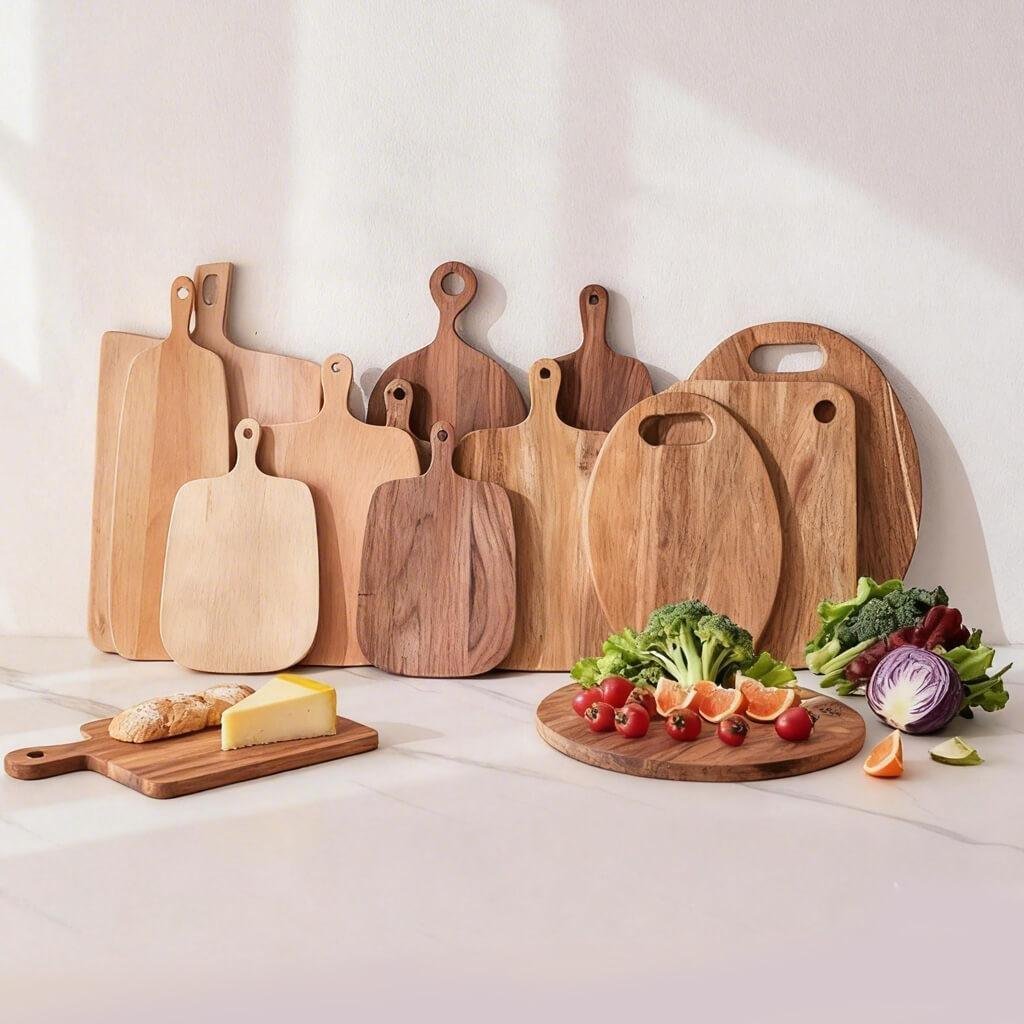
Cutting Boards
M.O.Q. 200 pcs

Wooden Utensil Set
M.O.Q. 200 pcs
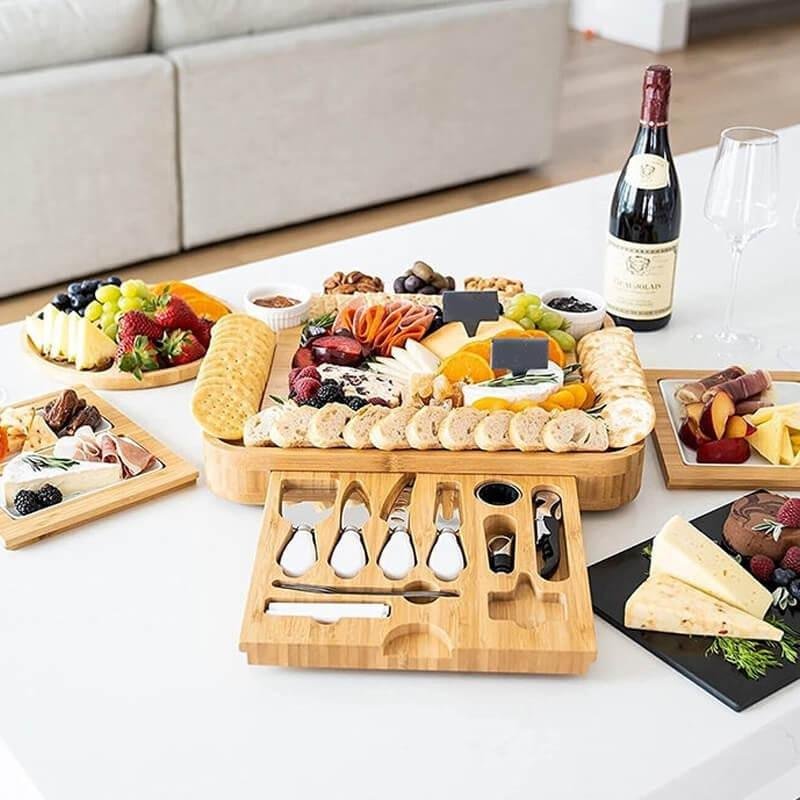
Cheese Boards
M.O.Q. 200 pcs
Online Inquiry
Get in Touch
Use the inquiry form or Email to our technical sales team for help or advice about products, services, or any miscellaneous issue.
We appreciate your thoughts, comments, and user habits. Anything that makes it possible for us to improve our service to you!
Quick Pricing Inquiry :
Email:sales@lightsalmon-pelican-184815.hostingersite.com
Feel free to contact us with any questions or concerns.